Torts and liability are not just a problem in the medical industry, but throughout Corporate America. All of America is suffering because of runaway lawsuits. Litigation has taken it's toll more greatly with small business, where the majority of America is employed.
You will not find litigation on this list of top-10 things that will kill a small business. Legal issues fall under the umbrella of poor management and can lead to cash flow difficulties. It can also lead to levels of stress that kill good customer service and synergy between employees. You can see legal issues all over this list.
The dollar cost of litigation on small business is not available in this study from the SBA. According to the report, the majority of legal cases that a small business deals with are for amounts under 10,000. Litigation is part of being in business, and the majority of legal cases are not going to bring most businesses to their knees. It's that occasional big case that causes problems.
The plurality of small business lawsuits comes from contract disputes...about 34% of lawsuits. #2 is torts and liability. #3 is civil rights lawsuits, #4 is a general category which includes prisoner petitions and federal tax disputes. #5 is labor issues and #6 is property rights disputes. These six categories represent 96% of the lawsuits that small business faces each year.
More than half of lawsuits directed at small business are at those that have fewer than 50 employees. At the time of the survey, 95% of businesses surveyed were in business more than 5 years. The majority of businesses sued had revenue over 5 million.
The SBA study said that there are three main causes for lawsuits against small business.
1. Employee Complaints
2. Business-specific claims such as copyright infringement.
3. Customer satisfaction issues.
Here is one place where government spending can create more revenue for the government than it spends. If the majority of business and employment in America is small business, then it would be money well spent to protect small business and keep tax dollars from small business flowing. There is also the economic principle of opportunity cost. What could that dollar that is spent to settle a legal matter be spent on instead?
We have a public defenders office to provide counsel to those accused of crime. Every county has an extension agent to give advice to farmers. It would be money well spent by government to have a small business assistance office in each county to provide advice to small business. There is such a thing on a small level, the NFIB. However, they do very little outside of lobbying. The advice they give is good, but would be more lasting if there was someone to talk to face-to-face. At least, there should be a legal referral service to someone familiar with the laws in the local state. If your business needs help writing a contract, you know who you can retain to ensure the contract prevents a lawsuit.
It is well understood that we live in a litigious society. According to the Public Law Research Institute, the major of wrongful termination lawsuits are dismissed before they ever go to trial. If there is basis for such lawsuits to go to trial, most companies...and wisely so...settle these cases before they to to trial. When they go to trial, the rewards are huge. Usually, the rewards are between 450,000 and 650,000.
Here is where reform can help. Let's say that you are wrongfully terminated at age 45. Does a jury really need to award the plantiff with the amount of money that would have been earned up until the age of 65? Even at age 45, people usually do not stay with a private-sector company for 20 years until they retire in today's society. Such cases could logically be settled at 5 years of lost wages, health care benefits and coverage at an executive-level job-search firm and retraining if that is required to obtain new employment. For the average person, this is around 250,000. This is the type of reform that is needed. We need to prevent run-a-way jury awards. We need to get society away from the "sue someone to get rich" mentality.
For companies with enough revenue to hire permanent legal counsel, this reform may not be needed. For everyone else, however, tort reform is necessary. It could be the difference, for some small firms, between staying open and closing. Until this happens, here is a list, according to the NFIB, of the top 5 things a small business can do to prevent lawsuits.
1. Document everything. Every business conversation--whether with employees, partners or customers--should be put in writing.
2. Create an employee handbook. Employees should know the company policies on discrimination, sexual harassment and such. No employee termination should come as a surprise.
3. Understand intellectual property laws. Know whether or not you have the right to use something that you borrow from another firm.
4. Maintain the business property. Do everything possible to prevent accidents. Purchase accident liability insurance. Have a regular insurance audit.
5. Communicate. Some misunderstandings can be cleared up with a simple phone call or a face to face conversation before they result legal action.
Taking these steps will help prevent the big lawsuits. Even after proper tort reform, this is still good advice.
Step 1--Fix the corporate tax structure.
Step 2--Interest rates and lending
Step 3--Energy
Step 4--Legal Reforms
Step 5--Outsourcing
Sunday, August 26, 2012
Sunday, August 19, 2012
Five step plan to fix the economy...Step 3 Energy
Energy is an input to all facets of the American economy. From pencils to computers, all products use a component of energy to get made and delivered to customers. That is why a solid energy plan is so critical to the economy of the US. And this is something that has been absent since the Reagan administration. Yes, the White House has an energy policy, but how realistic is it?
One expert says that the world is at least 15 years away from real solar energy. Perhaps sometime next decade, most of the electricity in your house will come directly from the sun. But, do we have a bridge to get to the future? We are not there yet.
True, there are some consequences to burning fossil fuels and to nuclear energy, but they are the most efficient sources of fuel that we have at this time. Solar energy and other green sources of power are still in the "Model-T" stage of development and have a long way to go. One day, Solar power will be cheaper than coal. But we are not there, yet.
Some say that we need tax subsidies and help from government to get solar energy off the ground. I propose that we give solar energy the same level of tax help that we gave coal. Enough said.
Economic forces will drive cleaner energy, like it or not. But we do not get there by making it more difficult to deliver conventional sources of energy. The reason this is so is because of the economic principle of opportunity cost. That is a simple principle to understand. If I did not spend this $1 on x, I would spend it on y.
While Obama and his administration have sacrificed traditional energy for green energy, costs have been on the increase. While many of you believe that business simply passes the higher energy costs to you the consumer, it is not completely true. When prices are raised, the law of supply and demand says that less product will be sold. This is exacerbated because the consumer is also paying for fuel and has less to pay for other things. Companies have to find other ways to absorb costs. Eventually they respond by cutting staff.
You see where I am going with this, do you? We have needed a bridge to the future, not a cliff. Even those of us to advocate the use of more traditional sources or energy...coal, oil and natural gas...know that these sources of energy will not last forever and that we need to improve solar and wind technologies. Until the new energy technologies can supply our needs, we need to take advantage of the resources we now have for cheaper and more reliable sources of energy.
When companies spend less money on energy, they have more to spend on other things, such as payroll. When Mr. and Mrs. America spend less on gas in the tank, they have more to spend on luxuries such as food and clothing.
If allowed to expand, the energy industry has plenty of extra cash to hire hard-working, down-on-their-luck Americans. Don't we need to put good people to work? Thousands of people have lost work just for the Gulf Drilling Moratorium.
Just because we allow oil and coal companies to expand does not mean that we are abandoning green energy, it just means that we are trying to be realistic. Reality is, as we have been reminded since the 70s, the supply of fossil fuels is limited and we, sooner or later, need to find something different.
"Drill Here, Drill Now" is not the only answer to the energy problem. We need more refineries. When a fire at a refinery on the West Coast raises the price of gasoline 30 cents, it shows that improvements and upgrades are needed on every link in the supply chain. This is why the Keystone Pipeline is so important. It makes for more efficient delivery from oil field to refinery. We need new, safer and more efficient refineries, where few new refineries have been built in the past 30 years.
We also need to upgrade our coal-burning plants to make them more efficient and less polluting. We have the technology to do this, but instead our current administration insists on shutting them down.
Most importantly, we must develop domestic sources of energy. When we import 60% of our oil from foreign soil, we send 60% of the dollars that we spend on oil and gas outside of the United States. That weakens the dollar. This has consequences for every American, not just those who travel. A stronger dollar will help keep jobs in the US.
There is no telling how a better energy problem will benefit the United States. It's impact will be greatly felt. It may be the most important thing that the President and Congress can work on in the next four years. If there is one industry in the US that has the cash to invest in more American jobs, it is Big Oil. We should not engage in policies that view big oil companies that the enemy of the American People. We should treat this industry like an ally.
Step 1--Fix the corporate tax structure.
Step 2--Interest rates and lending
Step 3--Energy
Step 4--Legal Reforms
Step 5--Outsourcing
One expert says that the world is at least 15 years away from real solar energy. Perhaps sometime next decade, most of the electricity in your house will come directly from the sun. But, do we have a bridge to get to the future? We are not there yet.
True, there are some consequences to burning fossil fuels and to nuclear energy, but they are the most efficient sources of fuel that we have at this time. Solar energy and other green sources of power are still in the "Model-T" stage of development and have a long way to go. One day, Solar power will be cheaper than coal. But we are not there, yet.
Some say that we need tax subsidies and help from government to get solar energy off the ground. I propose that we give solar energy the same level of tax help that we gave coal. Enough said.
Economic forces will drive cleaner energy, like it or not. But we do not get there by making it more difficult to deliver conventional sources of energy. The reason this is so is because of the economic principle of opportunity cost. That is a simple principle to understand. If I did not spend this $1 on x, I would spend it on y.
While Obama and his administration have sacrificed traditional energy for green energy, costs have been on the increase. While many of you believe that business simply passes the higher energy costs to you the consumer, it is not completely true. When prices are raised, the law of supply and demand says that less product will be sold. This is exacerbated because the consumer is also paying for fuel and has less to pay for other things. Companies have to find other ways to absorb costs. Eventually they respond by cutting staff.
You see where I am going with this, do you? We have needed a bridge to the future, not a cliff. Even those of us to advocate the use of more traditional sources or energy...coal, oil and natural gas...know that these sources of energy will not last forever and that we need to improve solar and wind technologies. Until the new energy technologies can supply our needs, we need to take advantage of the resources we now have for cheaper and more reliable sources of energy.
When companies spend less money on energy, they have more to spend on other things, such as payroll. When Mr. and Mrs. America spend less on gas in the tank, they have more to spend on luxuries such as food and clothing.
If allowed to expand, the energy industry has plenty of extra cash to hire hard-working, down-on-their-luck Americans. Don't we need to put good people to work? Thousands of people have lost work just for the Gulf Drilling Moratorium.
Just because we allow oil and coal companies to expand does not mean that we are abandoning green energy, it just means that we are trying to be realistic. Reality is, as we have been reminded since the 70s, the supply of fossil fuels is limited and we, sooner or later, need to find something different.
"Drill Here, Drill Now" is not the only answer to the energy problem. We need more refineries. When a fire at a refinery on the West Coast raises the price of gasoline 30 cents, it shows that improvements and upgrades are needed on every link in the supply chain. This is why the Keystone Pipeline is so important. It makes for more efficient delivery from oil field to refinery. We need new, safer and more efficient refineries, where few new refineries have been built in the past 30 years.
We also need to upgrade our coal-burning plants to make them more efficient and less polluting. We have the technology to do this, but instead our current administration insists on shutting them down.
Most importantly, we must develop domestic sources of energy. When we import 60% of our oil from foreign soil, we send 60% of the dollars that we spend on oil and gas outside of the United States. That weakens the dollar. This has consequences for every American, not just those who travel. A stronger dollar will help keep jobs in the US.
There is no telling how a better energy problem will benefit the United States. It's impact will be greatly felt. It may be the most important thing that the President and Congress can work on in the next four years. If there is one industry in the US that has the cash to invest in more American jobs, it is Big Oil. We should not engage in policies that view big oil companies that the enemy of the American People. We should treat this industry like an ally.
Step 1--Fix the corporate tax structure.
Step 2--Interest rates and lending
Step 3--Energy
Step 4--Legal Reforms
Step 5--Outsourcing


Wednesday, August 8, 2012
Five Step Plan to Fix the Economy...Part 2, Interest Rates
In the late 1970s, America was experiencing a period of stagflation. High unemployment, high inflation and high interest rates. The Fed was trying to fight the inflation by raising interest rates. Rates for durable goods, such as cars and homes were over 20%. The interest rate solution was part of the problem, where monetary policy was part of the solution. Interest rates were so high, that economic activity was stifled. The Fed eventually had to respond by flooding the market with new dollars. With money to lend, banks had to respond by lowering standards so that more people could borrow money. But with interest rates so high, it was worth the risk.
Failing to tighten standards once interest rates became low again is one of the causes of the current economic situation. The reason is that the higher the interest rates, the lower the risk of lending to someone. The lower the interest rates, the higher the risk.
Interest rates today are low, and than means the risk of lending to someone, anyone, is very high. If anyone has tried to purchase a home, recently, they know how difficult it is to qualify. The bank who loans the money for a mortgage has very little room for error.
The conventional wisdom is that lower interest rates spur borrowing. But interest rates that are too low do not spur lending. And that is what is happening today.
The Fed has been keeping interest rates low to spur spending and borrowing, but it is not the Federal Reserve Bank that assumes the risk. Foreclosure is the first big risk that a bank takes when underwriting a mortgae. If there is a 15% chance that a home is going to go into foreclosure, then there is a 15% chance that the banks will lose. Foreclosure is expensive. It involves court costs and legal fees. Homes in foreclosure will sell for a reduced value. It is often doubtful that banks will recover the difference. The only way that banks make money on a foreclosed property is if property values are increasing. Often, the bank takes a big hit on a foreclosed property, even if values are increasing.
The second problem is the rate of inflation. If the inflation rate is 3%, and mortgage rates are 3%, then the bank will still be at a loss due to the cost of processing the mortgage. If the inflation rate is 5% and the mortgage rate is 2% then the bank loses, even if the borrow pays on time.
FHA exists to help banks mitigate the risk. But the real mitigation comes from having the interest rate more closely tied to the rate of inflation. It may sound counter-intuitive, but the fed needs to let interest rates increase gradually. Not back to where they were, just enough to spur lending. It may discourage some people from borrowing, but if more people can borrow, who will notice?
It's just like a friend told me. We needed some tightening in lending, we needed lower interest rates, but the pendulum has swung too far in one direction. It now needs to swing back. Not all the way to where it was. It just needs to retreat back a little.
One of the Fed Banks backs up this opinion piece.
Step 1--Fix the corporate tax structure.
Step 2--Interest rates and lending
Step 3--Energy
Step 4--Legal Reforms
Step 5--Outsourcing
Failing to tighten standards once interest rates became low again is one of the causes of the current economic situation. The reason is that the higher the interest rates, the lower the risk of lending to someone. The lower the interest rates, the higher the risk.
Interest rates today are low, and than means the risk of lending to someone, anyone, is very high. If anyone has tried to purchase a home, recently, they know how difficult it is to qualify. The bank who loans the money for a mortgage has very little room for error.
The conventional wisdom is that lower interest rates spur borrowing. But interest rates that are too low do not spur lending. And that is what is happening today.
The Fed has been keeping interest rates low to spur spending and borrowing, but it is not the Federal Reserve Bank that assumes the risk. Foreclosure is the first big risk that a bank takes when underwriting a mortgae. If there is a 15% chance that a home is going to go into foreclosure, then there is a 15% chance that the banks will lose. Foreclosure is expensive. It involves court costs and legal fees. Homes in foreclosure will sell for a reduced value. It is often doubtful that banks will recover the difference. The only way that banks make money on a foreclosed property is if property values are increasing. Often, the bank takes a big hit on a foreclosed property, even if values are increasing.
The second problem is the rate of inflation. If the inflation rate is 3%, and mortgage rates are 3%, then the bank will still be at a loss due to the cost of processing the mortgage. If the inflation rate is 5% and the mortgage rate is 2% then the bank loses, even if the borrow pays on time.
FHA exists to help banks mitigate the risk. But the real mitigation comes from having the interest rate more closely tied to the rate of inflation. It may sound counter-intuitive, but the fed needs to let interest rates increase gradually. Not back to where they were, just enough to spur lending. It may discourage some people from borrowing, but if more people can borrow, who will notice?
It's just like a friend told me. We needed some tightening in lending, we needed lower interest rates, but the pendulum has swung too far in one direction. It now needs to swing back. Not all the way to where it was. It just needs to retreat back a little.
One of the Fed Banks backs up this opinion piece.
Step 1--Fix the corporate tax structure.
Step 2--Interest rates and lending
Step 3--Energy
Step 4--Legal Reforms
Step 5--Outsourcing
Thursday, August 2, 2012
Five step plan to fix the US economy. Step 1--Corporate Taxes.
Reduce taxes on business. It is true right now that individuals of a certain income have it real good with taxes right now. But if those same individuals make their large incomes with their own businesses, they are getting killed with the corporate tax rate. The Corporate tax rate tables have not been adjusted since early in Ronald Regan's first term. The lowest bracket is at 50,000. If you run a business, and only make 50,000 in revenues minus cost of goods sold, you are struggling mightily. Conventional wisdom is that at 50,000, your take home pay should be no more than 25,000 or about 12.00 per hour. That qualifies a family of 2, a couple with no children, for food stamps. Guaranteed that you are the only employee at that level. You are probably working another job on the side. And your business is paying 7500 to the government. Hard to support a family at that level.
Let's take a look at the current corporate tax level...
Current Tax Rates
0 - 50,000--15%
50,001 - 75,000--7,500 + 25% of the amount over 50,000
75,001 - 100,000--13,750 + 35% of the amount over 75,000
100,001 - 335,000--22,250 + 39% of the amount over 100,000
335,001 - 10,000,000--113,900 + 34% of the amount over 335,000
10,000,001 - 15,000,000--3,400,000 + 35% of the amount over 10,000,000
15,000,001 - 18,333,333--5,150,000 + 38% of the amount over 15,000,000
above 18,333,333--35%
The tax tables do not tell the who story. There are deductions for many things in business, such as deprecation of assets, uncollectable payments due, etc. In reality it is much more complicated than your individual taxes. That is why tax accounting is such a steady business. For this blog, I am going to simplify things a bit. Here is the actual tax rates that you pay at various levels of revenue.
50,000--actual tax bill is 7,500 or 15%
75,000--actual tax bill is 13,750 or 18%
100,000--actual tax bill is 22,250 or 22.25%
335,000--actual tax bill 113,900 or 34%
Anything above 335,000 will work out to be roughly 34%
If your business is making you enough money to earn a decent living, you are paying 22% in taxes or getting real creative at writing off expenses. If we force people to get creative of writing off business expenses, then the government really loses a chance to collect any good revenue. This needs to be fixed, so that the tax level for smaller businesses is realistic. Both the business owner and the government need to come out ahead.
If you do not own a business, this has a bigger impact on you than you may realize no matter the size of the company you work for. A good company will pay taxes before they make payroll. If a company is paying higher taxes, there is less money left over to pay employees. If a company's revenues are 335,000 then they have 221,100 left over for payroll and to grow the business. If the average full-time salary is 40,000, that company can hire 5 employees and would have 21,100 to grow the company. A company with this model is not going to grow very fast.
(According to this table, the average person employed by a small business earned about 42,000 in 2010).
If you triple the levels of the corporate tax table, you give smaller businesses a better chance to grow their company while still sticking it to the big boys. How about a new tax table, for starters.
150,000--actual tax bill is 22,500 or 15%
225,000--actual tax bill is 40,500 or 18%
300,000--actual tax bill is 66,750 or 22.25%
1,000,000--actual tax bill 340,000 or 34%
Anything above 1,000,000 is 34%
Therefore, the same business with revenues of 335,000 would pay 78,500 (40,500 + 35% of the amount over 225,000) instead of 113,900. That company would have 256500 left over after paying taxes. This company would have enough additional revenue to hire 1 additional employee and would have 16,500 left over to invest. Sounds like they are losing when you look just at the bottom line, but 1 additional full-time employee is far more valuable to a small business than 5,000 dollars. 1 additional employee to share in the work load means a lot to a small business.
According to the Census Bureau, 77% of all small businesses have 9 or fewer employees. That represents about 4.6 million companies. If the government cut taxes enough for each of these companies to hire one more employee, there would be jobs for another 1.6 million people. That would reduce the unemployment rate by nearly 1.5%. Would that fix the economy? It probably would help a lot.
This is over-simplified math, and one cannot expect companies to hire just because they have lower taxes, but if corporate taxes are lower, someone is going to have a higher income than they have today and that will give the government a chance to collect a higher tax from an individual somewhere. If someone is not off the dole, some rich guy has a higher income and will pay more in taxes. Let's say that 1 in 5 small companies use their extra money to hire a new employee. That is 320,000 new jobs. That's a good start.
Another benefit to lower corporate taxes for small enterprises is that more individuals will be motivated to begin their own business. Every tree in the forest grows from a sapling. When someone decides to make a go on their own, the job that that person used to have is open for someone else to fill. Either way, the unemployment rate goes down.
Finally, let's look at the effect this has on healthcare. Many of those small businesses are medical clinics. We complain and complain about the cost of health care, but have done little to mitigate the cost. How much does a doctor opening his own clinic make? A medical provider can see about 24 patients per day. The average doctor visit total cost after the insurance discount is around $105. The medical clinic in this model would have a revenue of 630,000. That doctor would pay about 220,500 (at 34%) in taxes before anything else. That is before he pays his staff, before he pays his medical school loans, before he pays for his Mercedes and before he pays for the green fees at his country club. Of course, that is assuming that he collects all of the money owed to him, which is rarely the case for any physician. If there was an adjustment like this in taxes, that doctor's tax bill would be reduced to 140,000.
Think about what that doctor could do with an extra 80,000. He could hire a nurse practitioner or physician's assistant to help out. The clinic could see more patients and the doctor could spend more time with his more difficult patients. He could pay his medical school debt at a faster clip. He could invest in more modern medical equipment. He would have more flexibility to make deals with uninsured patients. He may even reduce his fees.
What if he does buy another car or add on to his house? Likely another small business owner, like a car dealer of a house contractor will get a little more revenue. What if he hides it in a Swiss Bank Account? Well, that is the risk we take when we lower taxes. But aren't the benefits worth the risks. Not everyone with a big wad a cash hides it overseas. Why not ask a doctor in your family what he or she would do with an extra 80,000.
Now, I am not taking about lowering the tax rate on firms that make more than 1,000,000...companies that have about 25 or more employees. Those big boys will still get theirs. With this structure, the government will likely not lose a lot of revenue. Perhaps as a compromise, some of the Bush-era tax cuts could expire to help some democrats vote for the plan. Some of the more ridiculous business write-offs can be eliminated. The purpose of this plan is to give smaller companies a fighting chance at success. Since 2007, 200,000 small businesses have closed their doors. About 1 out of every 8 people who are now unemployed worked for a smaller business. Big business got their bail-out, now it is time to take care of the little guy.
Small companies do not make deals with communities for lower taxes and do ship jobs overseas. Small companies are the heart of the American economy. They hire 120 million people. They keep companies like Wal-Mart and General Motors in business. Their employees buy houses and pay taxes. It's time to give small companies a break.
My rough math says that this will cost the government about 200 billion but save the government about 500 billion in unemployment benefits. Net savings to the government are about 300 billion.
Five-step plan for fixing the US economy.
Step 1--Fix the corporate tax structure.
Step 2--Interest rates and lending
Step 3--Energy
Step 4--Legal Reforms
Step 5--Outsourcing
Let's take a look at the current corporate tax level...
Current Tax Rates
0 - 50,000--15%
50,001 - 75,000--7,500 + 25% of the amount over 50,000
75,001 - 100,000--13,750 + 35% of the amount over 75,000
100,001 - 335,000--22,250 + 39% of the amount over 100,000
335,001 - 10,000,000--113,900 + 34% of the amount over 335,000
10,000,001 - 15,000,000--3,400,000 + 35% of the amount over 10,000,000
15,000,001 - 18,333,333--5,150,000 + 38% of the amount over 15,000,000
above 18,333,333--35%
The tax tables do not tell the who story. There are deductions for many things in business, such as deprecation of assets, uncollectable payments due, etc. In reality it is much more complicated than your individual taxes. That is why tax accounting is such a steady business. For this blog, I am going to simplify things a bit. Here is the actual tax rates that you pay at various levels of revenue.
50,000--actual tax bill is 7,500 or 15%
75,000--actual tax bill is 13,750 or 18%
100,000--actual tax bill is 22,250 or 22.25%
335,000--actual tax bill 113,900 or 34%
Anything above 335,000 will work out to be roughly 34%
If your business is making you enough money to earn a decent living, you are paying 22% in taxes or getting real creative at writing off expenses. If we force people to get creative of writing off business expenses, then the government really loses a chance to collect any good revenue. This needs to be fixed, so that the tax level for smaller businesses is realistic. Both the business owner and the government need to come out ahead.
If you do not own a business, this has a bigger impact on you than you may realize no matter the size of the company you work for. A good company will pay taxes before they make payroll. If a company is paying higher taxes, there is less money left over to pay employees. If a company's revenues are 335,000 then they have 221,100 left over for payroll and to grow the business. If the average full-time salary is 40,000, that company can hire 5 employees and would have 21,100 to grow the company. A company with this model is not going to grow very fast.
(According to this table, the average person employed by a small business earned about 42,000 in 2010).
If you triple the levels of the corporate tax table, you give smaller businesses a better chance to grow their company while still sticking it to the big boys. How about a new tax table, for starters.
150,000--actual tax bill is 22,500 or 15%
225,000--actual tax bill is 40,500 or 18%
300,000--actual tax bill is 66,750 or 22.25%
1,000,000--actual tax bill 340,000 or 34%
Anything above 1,000,000 is 34%
Therefore, the same business with revenues of 335,000 would pay 78,500 (40,500 + 35% of the amount over 225,000) instead of 113,900. That company would have 256500 left over after paying taxes. This company would have enough additional revenue to hire 1 additional employee and would have 16,500 left over to invest. Sounds like they are losing when you look just at the bottom line, but 1 additional full-time employee is far more valuable to a small business than 5,000 dollars. 1 additional employee to share in the work load means a lot to a small business.
According to the Census Bureau, 77% of all small businesses have 9 or fewer employees. That represents about 4.6 million companies. If the government cut taxes enough for each of these companies to hire one more employee, there would be jobs for another 1.6 million people. That would reduce the unemployment rate by nearly 1.5%. Would that fix the economy? It probably would help a lot.
This is over-simplified math, and one cannot expect companies to hire just because they have lower taxes, but if corporate taxes are lower, someone is going to have a higher income than they have today and that will give the government a chance to collect a higher tax from an individual somewhere. If someone is not off the dole, some rich guy has a higher income and will pay more in taxes. Let's say that 1 in 5 small companies use their extra money to hire a new employee. That is 320,000 new jobs. That's a good start.
Another benefit to lower corporate taxes for small enterprises is that more individuals will be motivated to begin their own business. Every tree in the forest grows from a sapling. When someone decides to make a go on their own, the job that that person used to have is open for someone else to fill. Either way, the unemployment rate goes down.
Finally, let's look at the effect this has on healthcare. Many of those small businesses are medical clinics. We complain and complain about the cost of health care, but have done little to mitigate the cost. How much does a doctor opening his own clinic make? A medical provider can see about 24 patients per day. The average doctor visit total cost after the insurance discount is around $105. The medical clinic in this model would have a revenue of 630,000. That doctor would pay about 220,500 (at 34%) in taxes before anything else. That is before he pays his staff, before he pays his medical school loans, before he pays for his Mercedes and before he pays for the green fees at his country club. Of course, that is assuming that he collects all of the money owed to him, which is rarely the case for any physician. If there was an adjustment like this in taxes, that doctor's tax bill would be reduced to 140,000.
Think about what that doctor could do with an extra 80,000. He could hire a nurse practitioner or physician's assistant to help out. The clinic could see more patients and the doctor could spend more time with his more difficult patients. He could pay his medical school debt at a faster clip. He could invest in more modern medical equipment. He would have more flexibility to make deals with uninsured patients. He may even reduce his fees.
What if he does buy another car or add on to his house? Likely another small business owner, like a car dealer of a house contractor will get a little more revenue. What if he hides it in a Swiss Bank Account? Well, that is the risk we take when we lower taxes. But aren't the benefits worth the risks. Not everyone with a big wad a cash hides it overseas. Why not ask a doctor in your family what he or she would do with an extra 80,000.
Now, I am not taking about lowering the tax rate on firms that make more than 1,000,000...companies that have about 25 or more employees. Those big boys will still get theirs. With this structure, the government will likely not lose a lot of revenue. Perhaps as a compromise, some of the Bush-era tax cuts could expire to help some democrats vote for the plan. Some of the more ridiculous business write-offs can be eliminated. The purpose of this plan is to give smaller companies a fighting chance at success. Since 2007, 200,000 small businesses have closed their doors. About 1 out of every 8 people who are now unemployed worked for a smaller business. Big business got their bail-out, now it is time to take care of the little guy.
Small companies do not make deals with communities for lower taxes and do ship jobs overseas. Small companies are the heart of the American economy. They hire 120 million people. They keep companies like Wal-Mart and General Motors in business. Their employees buy houses and pay taxes. It's time to give small companies a break.
My rough math says that this will cost the government about 200 billion but save the government about 500 billion in unemployment benefits. Net savings to the government are about 300 billion.
Five-step plan for fixing the US economy.
Step 1--Fix the corporate tax structure.
Step 2--Interest rates and lending
Step 3--Energy
Step 4--Legal Reforms
Step 5--Outsourcing
Sunday, July 29, 2012
Actually Mr. President, It Was You Who Didn't Build It!
No business would be successful if it wasn't for the infrastructure of the government supporting them. It is the government who enforces the laws and builds the infrastructure that makes it possible for business to succeed. At least this is the point that President Obama was trying to make when he made his unfortunate "You didn't build that" comment. But was it really government who did that?
The infrastructure part, was it really government? Every new road was not, in fact, built by the government. In most cases, it is a company like Peter Kewitt or JB Parsons that actually builds the roads. Roads are built by contractors. The government only finances the road. Usually, it is a combination of federal and state gas taxes that finances a road.
Many people need a little capital to get a business going, so they get a government-guaranteed loan from the Small Business Administration. However, they do not go directly to the SBA to get the loan. It is usually administered through a bank. Many banks are also small businesses, although some are very large.
What about other government services? None of those would be possible with the sacrifice of individuals. The police for that enforces the law. Those that prosecute criminals. Those that issue business licenses. There are many that are on the government payroll, and in good economic times, most of those people would make more money in the private sector.
Therefore, who builds a small business other than the proprietor? Mostly, it is other businesses. The governments role is there, but it is very small. The government's job is to provide the infrastructure and the environment that a small business can flourish in, but the hard work is mostly done by other businesses and by individual. It is those people who Obama did not give credit to in his, "you didn't build that" speech. If you helped build that, I salute you.
The infrastructure part, was it really government? Every new road was not, in fact, built by the government. In most cases, it is a company like Peter Kewitt or JB Parsons that actually builds the roads. Roads are built by contractors. The government only finances the road. Usually, it is a combination of federal and state gas taxes that finances a road.
Many people need a little capital to get a business going, so they get a government-guaranteed loan from the Small Business Administration. However, they do not go directly to the SBA to get the loan. It is usually administered through a bank. Many banks are also small businesses, although some are very large.
What about other government services? None of those would be possible with the sacrifice of individuals. The police for that enforces the law. Those that prosecute criminals. Those that issue business licenses. There are many that are on the government payroll, and in good economic times, most of those people would make more money in the private sector.
Therefore, who builds a small business other than the proprietor? Mostly, it is other businesses. The governments role is there, but it is very small. The government's job is to provide the infrastructure and the environment that a small business can flourish in, but the hard work is mostly done by other businesses and by individual. It is those people who Obama did not give credit to in his, "you didn't build that" speech. If you helped build that, I salute you.
Thursday, July 19, 2012
The reasons why the deficit is so high.
1. There is no direction in Congress. The House of Representatives is controlled by one party and the Senate is controlled by the other. There are very few bills that will get through both houses. If the House passes a bill that is too Republican, the Democratic-controlled Senate will not even consider it. Congress has not passed a budget for 3 years.
2. The tax structure is too punitive on business, too lax on individuals. In the United States, the tax rate on business averages 35%. This is Federal tax, plus State tax plus local tax. Businesses are getting hit from all ends on the tax front. True, individuals are paying less in tax than ever...it has been that way for 10 years. It needs to be more balanced where individuals pay more but businesses pay less.
3. Jobs have moved overseas. This represents a loss in the opportunity to collect income taxes.
4. People are not making as much money as they used to. Some people have fallen out of tax brackets where they pay taxes to tax brackets where they receive back more than they pay.
5. Yes Congress (not the President) has been borrowing spending a lot of money...at unprecedented levels.
6. True some people are choosing to delay retirement and receive benefits, but more people are choosing to retire early because they have little confidence in working again.
The current deficit is as much a problem with lost revenue as it is with runaway spending. That is beyond the control and scope of Congress.
2. The tax structure is too punitive on business, too lax on individuals. In the United States, the tax rate on business averages 35%. This is Federal tax, plus State tax plus local tax. Businesses are getting hit from all ends on the tax front. True, individuals are paying less in tax than ever...it has been that way for 10 years. It needs to be more balanced where individuals pay more but businesses pay less.
3. Jobs have moved overseas. This represents a loss in the opportunity to collect income taxes.
4. People are not making as much money as they used to. Some people have fallen out of tax brackets where they pay taxes to tax brackets where they receive back more than they pay.
5. Yes Congress (not the President) has been borrowing spending a lot of money...at unprecedented levels.
6. True some people are choosing to delay retirement and receive benefits, but more people are choosing to retire early because they have little confidence in working again.
The current deficit is as much a problem with lost revenue as it is with runaway spending. That is beyond the control and scope of Congress.
Friday, July 6, 2012
Will ObamaCare Effect Your Job?
Many Republicans are predicting that ObamaCare will cost jobs, although the answer is not exactly clear. Those who have studied RomneyCare state that there will little to no effect on jobs. But ObamaCare is a little different, and what people do not do enough of is study the differences between ObamaCare and RomneyCare.
But the question on everyone's mind is this: will ObamaCare cost me my job? The answer is it depends on two factors, the size of the company you work for and the amount of money you earn.
Who will likely not be effected?
If you have a large salary, over 80,000 per year in my estimate, healthcare costs are such a minor part of your overall compensation package that adding another 10 to 15 thousand per year for health care benefits is not a hard thing to do. If you make 80,000 per year or more, health care is about 1/6 or less of your total compensation package. It is true, however, that if health insurance was not so expensive you would be making more money. But at that salary, who's complaining? Who couldn't use another 1,000 or so per month? This figure could be higher and this figure could be lower depending on where a company is comfortable in drawing that line, the line where a company says the amount that they pay for your healthcare benefits is too high a price to pay.
Will anyone benefit?
Do you know anyone who works a low-wage job just for the health insurance? The CBO estimates that this is less than 1% of the population. That is where Michele Bauchmann comes us with the number of 800,000. For example, Bill is an attorney that pulls in a nice annual salary. But his practice includes just himself and a few secretaries and paralegals. This is the size of business that never was able to provide health insurance as part of the benefit package. His wife Jane works at the local school lunch counter for a little over minimum wage and health insurance. With Bill being able to purchase health insurance for his practice, Jane no longer needs to take a job just for the health insurance. The CBO expects that some 800,000 people will be able to give up such jobs. Therefore, ObamaCare does take away the incentive some people have to work. But it is not a bad thing in every case.
Who will suffer?
The people most likely to experience the negative effects of ObamaCare are those who work for less than 80,000 or so. It is at this level that larger companies may decide it is less costly not to offer a company plan, but pay the fine that the Supreme Court says is a tax. These are the people that will have to purchase a private plan from a multi-state exchange or pay the fine that the Supreme Court says is a tax. Companies with fewer than 50 employees will still be exempt from the law. About 4% of America works in a company this size. Therefore, ObamaCare is not universal.
But what if a company has 60 employees, 75 or 100? Companies of this size could save money by replacing full-time employees with part-time employees. It would be a pain for whomever is in charge of human resources, but it would save a company of that size a boat load of money to have 50 full-time employees with 100 part-time employees instead of 100 full-time employees. Even a company as large as 500 employees could skirt the ObamaCare tax by working mainly with part-time employees. A company larger than this is likely to pay less money by dropping your health insurance benefit and paying the tax than by keeping the type of plan required by ObamaCare.
Therefore, take a look at your job profile. If the type of work you do pays around 50,000 a year and if you typically work for a company with 200 or fewer employees, your job is likely in jeopardy. You may find yourself working two to three jobs with none of them providing benefits. Your ability to work and earn a living for your family is not in jeopardy, you will still be able to find work, but finding a full-time job will be difficult. Finding a job with health insurance, good luck.
If you run a business with 49 employees, you probably better be sure that the 50th person you hire is a human resource specialist who can help you navigate through all of the difficult waters that ObamaCare complicates once you hire the 51st employee. Employers can play all sorts of games, if they dedicate the resources to it, to avoid paying the fine. But there will come a point, 300 to 500 employees, that such games are no longer practical.
There are other games that employers can play to avoid paying a fee for not providing insurance coverage. The fee only applies if the employee gets the government plan outside of work. They can hire someone age 25 or younger that could still be on their parent's insurance plan and avoid the fee. They can hire the spouse of someone who has insurance, that way the insured spouse only has to pay a 35 dollar fee to get their working spouse covered. Thank goodness for same-sex marriage if you are an employer. You can also hire someone who is already on medicare, so you could look to hire someone over the age of 65. If you are an employer, you can look to hire someone from a high income zip-code to increase the likelihood that you hire a person who fits into one of these categories.
One easy way for employees to get around the ObamaCare rules and remain employed full-time is to be hired as an independent contractor and save their employer from the ObamaCare fee. As an independent contractor, the employee is completely responsible for paying for his own healthcare and other benefits and the employer is legally free from these obligations.
It is unknown how many people fit into these categories. According to Money Magazine about 51% of the private work force is employed for small businesses. About 75% of the work force earns less than 80,000 per year. The median income in the US is about 33,000 per year. Does this give you a picture of how many people this legislation could touch?
To Sum Up
There are ways for smaller businesses to avoid paying the ObamaCare Tax.
1. Do not hire more than 50 full-time employees. Rely on part-time and temporary workers.
2. Hire independent contractors.
3. Hire those young enough to be covered by their parents plan.
4. Hire those old enough to be on Medicare.
5. Hire those who are likely to be covered by the insurance plan of a spouse...look for those who come from rich zip codes.
6. Hire illegal aliens. (I'm serious.)
7. Hire military spouses.
8. Hire the spouses of public-sector employees.
In conclusion
ObamaCare will not negatively effect everyone, but it will have an unintended effect for many. Employers may take drastic steps to avoid paying the ObamaCare taxes, and employees may also have to take equally drastic steps to remain employed full-time.
But the question on everyone's mind is this: will ObamaCare cost me my job? The answer is it depends on two factors, the size of the company you work for and the amount of money you earn.
Who will likely not be effected?
If you have a large salary, over 80,000 per year in my estimate, healthcare costs are such a minor part of your overall compensation package that adding another 10 to 15 thousand per year for health care benefits is not a hard thing to do. If you make 80,000 per year or more, health care is about 1/6 or less of your total compensation package. It is true, however, that if health insurance was not so expensive you would be making more money. But at that salary, who's complaining? Who couldn't use another 1,000 or so per month? This figure could be higher and this figure could be lower depending on where a company is comfortable in drawing that line, the line where a company says the amount that they pay for your healthcare benefits is too high a price to pay.
Will anyone benefit?
Do you know anyone who works a low-wage job just for the health insurance? The CBO estimates that this is less than 1% of the population. That is where Michele Bauchmann comes us with the number of 800,000. For example, Bill is an attorney that pulls in a nice annual salary. But his practice includes just himself and a few secretaries and paralegals. This is the size of business that never was able to provide health insurance as part of the benefit package. His wife Jane works at the local school lunch counter for a little over minimum wage and health insurance. With Bill being able to purchase health insurance for his practice, Jane no longer needs to take a job just for the health insurance. The CBO expects that some 800,000 people will be able to give up such jobs. Therefore, ObamaCare does take away the incentive some people have to work. But it is not a bad thing in every case.
Who will suffer?
The people most likely to experience the negative effects of ObamaCare are those who work for less than 80,000 or so. It is at this level that larger companies may decide it is less costly not to offer a company plan, but pay the fine that the Supreme Court says is a tax. These are the people that will have to purchase a private plan from a multi-state exchange or pay the fine that the Supreme Court says is a tax. Companies with fewer than 50 employees will still be exempt from the law. About 4% of America works in a company this size. Therefore, ObamaCare is not universal.
But what if a company has 60 employees, 75 or 100? Companies of this size could save money by replacing full-time employees with part-time employees. It would be a pain for whomever is in charge of human resources, but it would save a company of that size a boat load of money to have 50 full-time employees with 100 part-time employees instead of 100 full-time employees. Even a company as large as 500 employees could skirt the ObamaCare tax by working mainly with part-time employees. A company larger than this is likely to pay less money by dropping your health insurance benefit and paying the tax than by keeping the type of plan required by ObamaCare.
Therefore, take a look at your job profile. If the type of work you do pays around 50,000 a year and if you typically work for a company with 200 or fewer employees, your job is likely in jeopardy. You may find yourself working two to three jobs with none of them providing benefits. Your ability to work and earn a living for your family is not in jeopardy, you will still be able to find work, but finding a full-time job will be difficult. Finding a job with health insurance, good luck.
If you run a business with 49 employees, you probably better be sure that the 50th person you hire is a human resource specialist who can help you navigate through all of the difficult waters that ObamaCare complicates once you hire the 51st employee. Employers can play all sorts of games, if they dedicate the resources to it, to avoid paying the fine. But there will come a point, 300 to 500 employees, that such games are no longer practical.
There are other games that employers can play to avoid paying a fee for not providing insurance coverage. The fee only applies if the employee gets the government plan outside of work. They can hire someone age 25 or younger that could still be on their parent's insurance plan and avoid the fee. They can hire the spouse of someone who has insurance, that way the insured spouse only has to pay a 35 dollar fee to get their working spouse covered. Thank goodness for same-sex marriage if you are an employer. You can also hire someone who is already on medicare, so you could look to hire someone over the age of 65. If you are an employer, you can look to hire someone from a high income zip-code to increase the likelihood that you hire a person who fits into one of these categories.
One easy way for employees to get around the ObamaCare rules and remain employed full-time is to be hired as an independent contractor and save their employer from the ObamaCare fee. As an independent contractor, the employee is completely responsible for paying for his own healthcare and other benefits and the employer is legally free from these obligations.
It is unknown how many people fit into these categories. According to Money Magazine about 51% of the private work force is employed for small businesses. About 75% of the work force earns less than 80,000 per year. The median income in the US is about 33,000 per year. Does this give you a picture of how many people this legislation could touch?
To Sum Up
There are ways for smaller businesses to avoid paying the ObamaCare Tax.
1. Do not hire more than 50 full-time employees. Rely on part-time and temporary workers.
2. Hire independent contractors.
3. Hire those young enough to be covered by their parents plan.
4. Hire those old enough to be on Medicare.
5. Hire those who are likely to be covered by the insurance plan of a spouse...look for those who come from rich zip codes.
6. Hire illegal aliens. (I'm serious.)
7. Hire military spouses.
8. Hire the spouses of public-sector employees.
In conclusion
ObamaCare will not negatively effect everyone, but it will have an unintended effect for many. Employers may take drastic steps to avoid paying the ObamaCare taxes, and employees may also have to take equally drastic steps to remain employed full-time.
Saturday, June 30, 2012
What Health Care Reform Should Have Looked Like
I have said this before, and I am sticking to my guns. Healthcare reform is needed. I began with 7 points, it grew to 8. Now, after discussions with the healthcare professionals in my family, I add a 9th and a 10th.
1. Insurance should be for catastrophic losses only, not for every-day run-of-the-mill healthcare expenses. Let's say I have a cold that has been hanging on for more than two weeks. My boss says, "hey Ben, do not come back to work until you have seen a doctor." I go see the doctor, he says I have a sinus infection and gives me an antibiotic. If I make an average wage/salary, there is no reason to bill my insurance for any of it. I should be able to pay for both the doctor visit and the prescription out of my own pocket with my own money.
Sure, doctors may make less money from our little visit, but they will have more freedom and more satisfaction in their jobs.
With Obamacare, there is an individual mandate, meaning that each person is required to purchase insurance, but there is not a mandate for a doctor to take you as a patient. That is a key point. If my company pushes me to an exchange, will I be able to find a doctor who will treat me? Obamacare does not answer that question. If the costs are low enough for me to pay for it out of my own pocket, will that question matter?
To accomplish this, costs for doctors to do business will have to be lower. Medical equipment and malpractice insurance are some of the bigger costs that doctors face. There are many other unneeded day to day expenses for doctors as well.
2. You have to entice lower-risk people, meaning the young, into insurance plans. You also have to find a way to include immigrants and non-citizens, who are usually younger, into the insurance pool to help diffuse the cost. Obamacare, in part, does this, but not completely. Some even say that that there are incentives to for younger people to pay the penalty rather than to pay for insurance.
3. Tort reform is needed to end defensive medicine.
4. Realistic care for the elderly to improve the quality of life, not just delay the inevitability of death.
5. Train more providers who are not doctors to assist in medical care, this include hiring more Physician Assistants and Nurse Practioners. Let me just say, you should see how my kid'd orthodontist handles his practice. He has a staff of around 20 assistants, with around 10 of them working at one time. He glides around the room on swivel chair from patient to patient, only doing the work that he is required to do and ensuring that his assistants do not do anything wrong. This man has it down. Many medical practices would operate with lower costs using this model.
6. End the use of the emergency room for medical issues that are not a life and death emergency. This would probably take a marketing/education plan much like the "this is your brain on drugs" campaign, but if effective, could send a strong message.
7. Alternative payment methods. No one should get it for free, but if you can not pay the bill, some community service agreement should be worked out. The doctor/clinic/practice/hospital could write-off the expense. The community would be served. People will not be afraid to see the doctor out of the fear of being left with a big bill.
8. Aggressively prosecute medical fraud.
9. Require that all doctors have business classes as part of their medical training. A medical practice is a business after all.
1. Insurance should be for catastrophic losses only, not for every-day run-of-the-mill healthcare expenses. Let's say I have a cold that has been hanging on for more than two weeks. My boss says, "hey Ben, do not come back to work until you have seen a doctor." I go see the doctor, he says I have a sinus infection and gives me an antibiotic. If I make an average wage/salary, there is no reason to bill my insurance for any of it. I should be able to pay for both the doctor visit and the prescription out of my own pocket with my own money.
Sure, doctors may make less money from our little visit, but they will have more freedom and more satisfaction in their jobs.
With Obamacare, there is an individual mandate, meaning that each person is required to purchase insurance, but there is not a mandate for a doctor to take you as a patient. That is a key point. If my company pushes me to an exchange, will I be able to find a doctor who will treat me? Obamacare does not answer that question. If the costs are low enough for me to pay for it out of my own pocket, will that question matter?
To accomplish this, costs for doctors to do business will have to be lower. Medical equipment and malpractice insurance are some of the bigger costs that doctors face. There are many other unneeded day to day expenses for doctors as well.
2. You have to entice lower-risk people, meaning the young, into insurance plans. You also have to find a way to include immigrants and non-citizens, who are usually younger, into the insurance pool to help diffuse the cost. Obamacare, in part, does this, but not completely. Some even say that that there are incentives to for younger people to pay the penalty rather than to pay for insurance.
3. Tort reform is needed to end defensive medicine.
4. Realistic care for the elderly to improve the quality of life, not just delay the inevitability of death.
5. Train more providers who are not doctors to assist in medical care, this include hiring more Physician Assistants and Nurse Practioners. Let me just say, you should see how my kid'd orthodontist handles his practice. He has a staff of around 20 assistants, with around 10 of them working at one time. He glides around the room on swivel chair from patient to patient, only doing the work that he is required to do and ensuring that his assistants do not do anything wrong. This man has it down. Many medical practices would operate with lower costs using this model.
6. End the use of the emergency room for medical issues that are not a life and death emergency. This would probably take a marketing/education plan much like the "this is your brain on drugs" campaign, but if effective, could send a strong message.
7. Alternative payment methods. No one should get it for free, but if you can not pay the bill, some community service agreement should be worked out. The doctor/clinic/practice/hospital could write-off the expense. The community would be served. People will not be afraid to see the doctor out of the fear of being left with a big bill.
8. Aggressively prosecute medical fraud.
9. Require that all doctors have business classes as part of their medical training. A medical practice is a business after all.
Thursday, June 28, 2012
The Supreme Court Did Obama No Favors.
The Supreme Court upheld the individual mandate in ObamaCare, meaning that the government can force you to purchase insurance. But that does not mean that conservatives should hang their head in shame or that Nancy Pelosi should be spinning cartwheels. In reality, the Supreme Court may have handed Mitt Romney a victory in November.
They ruled that the individual mandate in ObamaCare is constitutional because it is technically a tax increase. Which is, in a sense, true. Anything that the government requires a person to pay is a tax...everything, even if it is not labeled a tax. All tolls, fees, surcharges, duties, tariffs, levies, charges and evaluations are really taxes. A tax by any other name is a tax. Now my medical insurance premiums are a tax.
Conservatives attacked ObamaCare from the wrong angle to begin with. If the words, "the largest tax increase in history" were used from the beginning, perhaps this bill would have become to unpopular for Congress to swallow, and it would not have become law. But now, it is fuel for the fire for Mitt Romney and any person running against any one in Congress who voted for the bill. If we call it what it is, perhaps Congress will be more willing to repeal it.
Every American should look at their latest paycheck and do as I am doing for you now....I do not mind sharing this with you know, because I am getting a raise in July, so I am not really revealing what I am now getting paid. I am also not revealing whether I get paid weekly, monthly or bi-monthly.
My gross pay from my last check was 1632.64. My medical insurance premium was 193.33. According to the Supreme court, that is a tax because health insurance is mandatory and considered a tax. Here is how the rest of it breaks down: 65.86 in Federal Income Taxes, 57.29 in Social Security taxes and 9.78 in Medicare taxes. That means that I paid 336.26 in taxes on my last paycheck. That is about 21% of my income directly out of my paycheck in taxes, where it used to only be 132.93 or about 8%. Because the health care insurance premium is now a tax, my taxes just went up by 144%. That's right...Barrack Obama, Harry Reid and Nancy Pelosi passed a 144% tax increase to me and the Supreme Court upheld it.
Also, remember that 193.33 is just my share. I only pay about 40% of the total premium and my company pays the rest. Do you think that my company, which already pays the highest business taxes in the world appreciates having another big tax increase levied on them?
Every American that pays health insurance premiums should look at their last paycheck and see the same thing. What was once an employer/employee co-paid benefit is now a tax.
The only good news is that health care premiums can not be taxed because that would amount to double taxation....we tax what we have already taxed.
Do you think that Mitt Romney can get some traction out of those numbers? If he doesn't, he's a fool. Think that Obama can keep playing his...the "rich should pay their fare share" card any longer? That probably wouldn't be a good idea, after the largest tax increase in history. If the Supreme Court says this is a tax increase, Mitt Romney should run with that, trump it loud and clear and not let America forget it. America should go to the polls in November with the words, "it was a tax increase" fully on their minds. Am I happy about my 144% tax increase? No, I am not. Am I happy that my taxes will go up even higher in January? No, I am not. Do I want to see that change? Yes, I do!
Obama promised us hope and change, what he meant was, "when I get through with your paycheck, all that you will have left is hope and change." Let's hope for real change.
But then again, Mitt Romney did the same thing in Massachusetts, so he may not get the traction out of this that someone else would have. But who else was there?
They ruled that the individual mandate in ObamaCare is constitutional because it is technically a tax increase. Which is, in a sense, true. Anything that the government requires a person to pay is a tax...everything, even if it is not labeled a tax. All tolls, fees, surcharges, duties, tariffs, levies, charges and evaluations are really taxes. A tax by any other name is a tax. Now my medical insurance premiums are a tax.
Conservatives attacked ObamaCare from the wrong angle to begin with. If the words, "the largest tax increase in history" were used from the beginning, perhaps this bill would have become to unpopular for Congress to swallow, and it would not have become law. But now, it is fuel for the fire for Mitt Romney and any person running against any one in Congress who voted for the bill. If we call it what it is, perhaps Congress will be more willing to repeal it.
Every American should look at their latest paycheck and do as I am doing for you now....I do not mind sharing this with you know, because I am getting a raise in July, so I am not really revealing what I am now getting paid. I am also not revealing whether I get paid weekly, monthly or bi-monthly.
My gross pay from my last check was 1632.64. My medical insurance premium was 193.33. According to the Supreme court, that is a tax because health insurance is mandatory and considered a tax. Here is how the rest of it breaks down: 65.86 in Federal Income Taxes, 57.29 in Social Security taxes and 9.78 in Medicare taxes. That means that I paid 336.26 in taxes on my last paycheck. That is about 21% of my income directly out of my paycheck in taxes, where it used to only be 132.93 or about 8%. Because the health care insurance premium is now a tax, my taxes just went up by 144%. That's right...Barrack Obama, Harry Reid and Nancy Pelosi passed a 144% tax increase to me and the Supreme Court upheld it.
Also, remember that 193.33 is just my share. I only pay about 40% of the total premium and my company pays the rest. Do you think that my company, which already pays the highest business taxes in the world appreciates having another big tax increase levied on them?
Every American that pays health insurance premiums should look at their last paycheck and see the same thing. What was once an employer/employee co-paid benefit is now a tax.
The only good news is that health care premiums can not be taxed because that would amount to double taxation....we tax what we have already taxed.
Do you think that Mitt Romney can get some traction out of those numbers? If he doesn't, he's a fool. Think that Obama can keep playing his...the "rich should pay their fare share" card any longer? That probably wouldn't be a good idea, after the largest tax increase in history. If the Supreme Court says this is a tax increase, Mitt Romney should run with that, trump it loud and clear and not let America forget it. America should go to the polls in November with the words, "it was a tax increase" fully on their minds. Am I happy about my 144% tax increase? No, I am not. Am I happy that my taxes will go up even higher in January? No, I am not. Do I want to see that change? Yes, I do!
Obama promised us hope and change, what he meant was, "when I get through with your paycheck, all that you will have left is hope and change." Let's hope for real change.
But then again, Mitt Romney did the same thing in Massachusetts, so he may not get the traction out of this that someone else would have. But who else was there?
Sunday, June 10, 2012
Voting against a debt limit increase? Have a plan?
You're in Congress and you just voted down another debt limit increase because more borrowing is morally irresponsible. Congratulations, you now immediately have to decide how to balance the Federal Budget, or the US goes into default on some of it's debt? Welcome to Hell, and I hope that you are not planning on another term in office, even though you probably deserve credit if you can pull this off. But most in Congress will vote down a debt limit increase to make a statement and have no plan to bring the books into balance.
It is irresponsible to vote down a debt limit increase without a plan to immediately balance the budget. That is just like me, turning to my wife and saying, honey I'm putting the Visa in the Safe Deposit Box and burying the key in the back yard", but not have a family budget. If I do this, we are bound to not have money for food or will miss some other payments or something like that. It's a bad plan. It's a recipe for chaos.
If all temporary tax cuts are allow to expire in FY 2013, you still have to find 910 billion dollars in cuts. There will be pressure to completely cut some departments and to reform entitlements. But there is no time for those kinds of debates. You have to find 910 billion dollars in savings immediately or the government will default on it's debt. Any ideas? Here are some of my suggestions.
1. Every civilian federal employee to take a week of furlough without pay. There are about 4.5 million federal employees who make an average of 83,000 per year. (More than what I make). This will save the government 70 Billion over the year. The employees effected...the President, every member of Congress, down to every GS-1 in the civil service.
2. Every civilian employed by the US government gets 12 to 24 days of paid vacation per year depending on how many years that they have worked for the government. Cut that down to what the average private sector employee has, which is 5 to 14 vacation days per year. In doing so, you have just made 187,000 federal employees expendable...that is how many Full-Time Equivalents the government must hire in order to cover the extra vacation. You can now lay them off. You have just saved another 15 Billion. You have now saved the government 95 billion and now have 815 Billion left to cut.
BTW, in my current job, which pays better than what the average American earns, I get 0 paid time off. No vacation time and no holidays. If I do not work, I do not get paid. I have to pay for vacation out of my own pocket and I work a flexible schedule the rest of the week when there is a Holiday. There are many in the new economy that have given up paid time off to maintain health care benefits. For us, it was one or the other.
3. Bring the troops home from Afghanistan immediately. That is another 80.4 Billion. 175.4 Billion down. 734.6 Billion left. Source
4. Europe gets along rather nicely, now-a-days. We aren't really needed there. Let's bring the troops home from Europe. That would save us about 287 million, according to Rep. Jared Polis of Colorado. Let's round that up to 300 million. Now we have saved 175.7 Billion and have 734.3 billion left. Mmm...that's not the kind of savings that we need, but we will keep it in there. It makes a statement that we are serious.
5. Cut off long term welfare recipients. Let's have churches and other private groups help them find work. That could save us another 10 billion, according to the Cato institute. We have now saved 185.7 Billion and have 724.3 billion left to go. We have now trimmed 1/5 of the federal deficit.
6. We have 142 million unemployed. 5.4 million of them have been unemployed for over 6 months. It used to be that we cut off unemployment benefits after 6 months to get them back to work. At 330 per week, we could save the government 92 billion. Now we are at 277.7 billion cut from the budget with only 632 billion left to cut.
7. ObamaCare is expensive. Let's repeal it. That will save the government 340 billion that would have been added to the deficit. We are now at 617 billion saved. We are now only 293 billion away from a balanced budget.
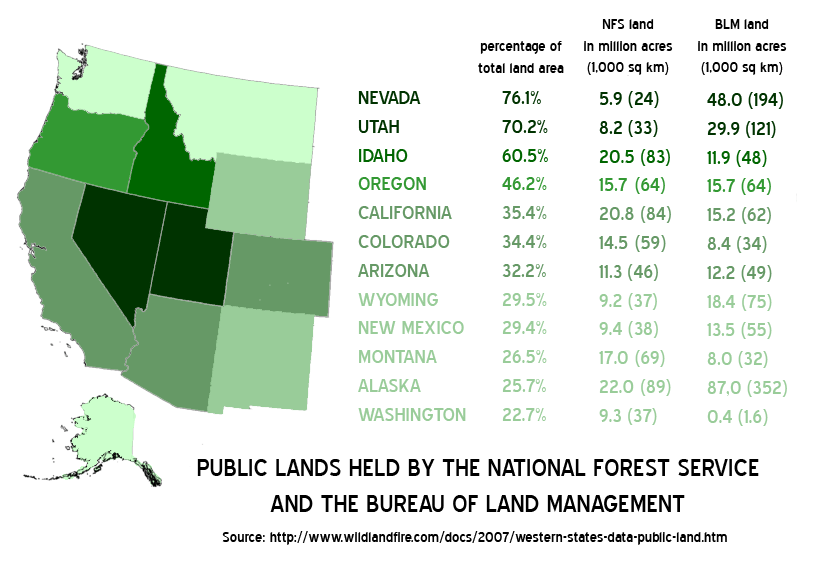
8. One of the problems with the Federal Budget is the huge amount of money that is spent on interest. Could we do something about that? There are 268.6 million acres of land out west that is owned by the feds and not doing anything else. What if we sold it all at the cost of 1000 dollars per acre (30% below the going value for an acre of Utah desert) and apply it toward the national debt. We have reduced the national debt by 2.6 trillion dollars. That is about 23% of the debt, reducing interest by 23%. That saves another 58 billion. Putting us to a total of 675. That leaves us with 235 billion.
9. The total federal expenditures for FY 2013 was expected to be at 3803 Billion. We have just taken 675 billion off of that total. We now are down to 3128 and have 235 billion left to cut. We order every federal department at this juncture to cut their spending by an additional 10%. They will need to do so without affecting benefits paid to citizens. That means that an additional 313 billion will be saved. That leaves us with 78 billion to spare, which should not be spent, but should be used to help us go through the same exercise in FY2014, which is needed because one can only lay off 187,000 Federal employees once.
BTW, remember this is after all temporary tax cuts have expired. If you want to keeps those, you have to come up with another 300 billion. It was a lot of work to come up with just this.
A plan will need to be made to keep the US Government in the black permanently and retire some of the national debt. Of course, the consequences are laying off 187,000 federal government employees will be devastating. Hopefully, it is done proportionally across all 50 states. This means that 187,000 people have joined the 14 million people already out of work. This is why I say to any congress bold enough to pass it, they probably deserve to keep their jobs, but will likely lose them.
A sensible congress, even a conservative one, will likely save a plan like this for better times when the displaced federal employees can easily find private-sector jobs, like in the 1990s. That will soften the blow to the economy. But I suspect that Tea Party Republicans will forget all about this when the economy improves and let the government grow even larger, just like the former presidential candidate named after a cookie did.
I put this list together with resorting to...this program is unconstitutional, therefore let's get rid of it. I tried not to put an additional burden upon the already overburdened state governments. In better economic times, states may be able to shoulder more responsibilities. I was also able to leave Social Security Benefits, Medicare and Medicaid untouched. It is a common belief that for a long-term solution to the Government's debt problems, that Social Security, Medicare and Medicaid will need to be examined.
My challenge is for anyone who is running for Congress and says that they will not vote for another debt limit increase is to come up with a better plan. This plan stinks and will have serious consequences, but I am not running for Congress. I asked Dan Liljenquist's team, for example, if they had one. But they did not offer any specifics, just generalities. Certainly anyone serious about no more debt limit increases in Congress has given this some serious thought. If not, they do not deserve your vote.
It is irresponsible to vote down a debt limit increase without a plan to immediately balance the budget. That is just like me, turning to my wife and saying, honey I'm putting the Visa in the Safe Deposit Box and burying the key in the back yard", but not have a family budget. If I do this, we are bound to not have money for food or will miss some other payments or something like that. It's a bad plan. It's a recipe for chaos.
If all temporary tax cuts are allow to expire in FY 2013, you still have to find 910 billion dollars in cuts. There will be pressure to completely cut some departments and to reform entitlements. But there is no time for those kinds of debates. You have to find 910 billion dollars in savings immediately or the government will default on it's debt. Any ideas? Here are some of my suggestions.
1. Every civilian federal employee to take a week of furlough without pay. There are about 4.5 million federal employees who make an average of 83,000 per year. (More than what I make). This will save the government 70 Billion over the year. The employees effected...the President, every member of Congress, down to every GS-1 in the civil service.
2. Every civilian employed by the US government gets 12 to 24 days of paid vacation per year depending on how many years that they have worked for the government. Cut that down to what the average private sector employee has, which is 5 to 14 vacation days per year. In doing so, you have just made 187,000 federal employees expendable...that is how many Full-Time Equivalents the government must hire in order to cover the extra vacation. You can now lay them off. You have just saved another 15 Billion. You have now saved the government 95 billion and now have 815 Billion left to cut.
BTW, in my current job, which pays better than what the average American earns, I get 0 paid time off. No vacation time and no holidays. If I do not work, I do not get paid. I have to pay for vacation out of my own pocket and I work a flexible schedule the rest of the week when there is a Holiday. There are many in the new economy that have given up paid time off to maintain health care benefits. For us, it was one or the other.
3. Bring the troops home from Afghanistan immediately. That is another 80.4 Billion. 175.4 Billion down. 734.6 Billion left. Source
4. Europe gets along rather nicely, now-a-days. We aren't really needed there. Let's bring the troops home from Europe. That would save us about 287 million, according to Rep. Jared Polis of Colorado. Let's round that up to 300 million. Now we have saved 175.7 Billion and have 734.3 billion left. Mmm...that's not the kind of savings that we need, but we will keep it in there. It makes a statement that we are serious.
5. Cut off long term welfare recipients. Let's have churches and other private groups help them find work. That could save us another 10 billion, according to the Cato institute. We have now saved 185.7 Billion and have 724.3 billion left to go. We have now trimmed 1/5 of the federal deficit.
6. We have 142 million unemployed. 5.4 million of them have been unemployed for over 6 months. It used to be that we cut off unemployment benefits after 6 months to get them back to work. At 330 per week, we could save the government 92 billion. Now we are at 277.7 billion cut from the budget with only 632 billion left to cut.
7. ObamaCare is expensive. Let's repeal it. That will save the government 340 billion that would have been added to the deficit. We are now at 617 billion saved. We are now only 293 billion away from a balanced budget.
8. One of the problems with the Federal Budget is the huge amount of money that is spent on interest. Could we do something about that? There are 268.6 million acres of land out west that is owned by the feds and not doing anything else. What if we sold it all at the cost of 1000 dollars per acre (30% below the going value for an acre of Utah desert) and apply it toward the national debt. We have reduced the national debt by 2.6 trillion dollars. That is about 23% of the debt, reducing interest by 23%. That saves another 58 billion. Putting us to a total of 675. That leaves us with 235 billion.
9. The total federal expenditures for FY 2013 was expected to be at 3803 Billion. We have just taken 675 billion off of that total. We now are down to 3128 and have 235 billion left to cut. We order every federal department at this juncture to cut their spending by an additional 10%. They will need to do so without affecting benefits paid to citizens. That means that an additional 313 billion will be saved. That leaves us with 78 billion to spare, which should not be spent, but should be used to help us go through the same exercise in FY2014, which is needed because one can only lay off 187,000 Federal employees once.
BTW, remember this is after all temporary tax cuts have expired. If you want to keeps those, you have to come up with another 300 billion. It was a lot of work to come up with just this.
A plan will need to be made to keep the US Government in the black permanently and retire some of the national debt. Of course, the consequences are laying off 187,000 federal government employees will be devastating. Hopefully, it is done proportionally across all 50 states. This means that 187,000 people have joined the 14 million people already out of work. This is why I say to any congress bold enough to pass it, they probably deserve to keep their jobs, but will likely lose them.
A sensible congress, even a conservative one, will likely save a plan like this for better times when the displaced federal employees can easily find private-sector jobs, like in the 1990s. That will soften the blow to the economy. But I suspect that Tea Party Republicans will forget all about this when the economy improves and let the government grow even larger, just like the former presidential candidate named after a cookie did.
I put this list together with resorting to...this program is unconstitutional, therefore let's get rid of it. I tried not to put an additional burden upon the already overburdened state governments. In better economic times, states may be able to shoulder more responsibilities. I was also able to leave Social Security Benefits, Medicare and Medicaid untouched. It is a common belief that for a long-term solution to the Government's debt problems, that Social Security, Medicare and Medicaid will need to be examined.
My challenge is for anyone who is running for Congress and says that they will not vote for another debt limit increase is to come up with a better plan. This plan stinks and will have serious consequences, but I am not running for Congress. I asked Dan Liljenquist's team, for example, if they had one. But they did not offer any specifics, just generalities. Certainly anyone serious about no more debt limit increases in Congress has given this some serious thought. If not, they do not deserve your vote.
Subscribe to:
Posts (Atom)

 Posts
Posts